Midfielders play a key role in how a team functions. They link defense and attack, control tempo, and help maintain structure in all phases of the game.
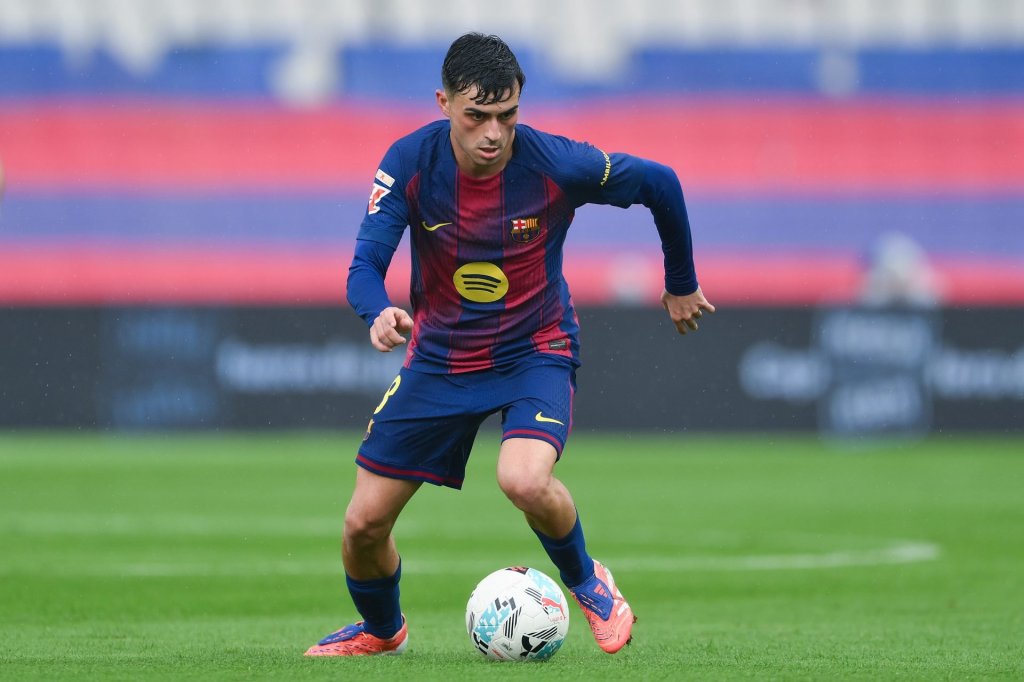
To be effective, midfielders need strong technical ability, awareness, positioning, stamina, and decision-making. Comfort on the ball under pressure and consistency in both attack and defense are essential.
Core principles
- Awareness before receiving the ball.
- Simple decisions under pressure.
Positioning and Awareness
- Scan regularly before the ball arrives.
- Maintain spacing to create clear passing angles.
- Stay connected to defenders and attackers.
- Adjust positioning based on the phase of play.
- Avoid occupying the same space unless rotating deliberately.
Movement
- Move to receive on the half-turn when possible.
- Use lateral and diagonal movement to open passing lanes.
- Use checking movements to lose markers.
- Make third-man runs to break lines.
- Support play both behind and ahead of the ball.
- Arrive late into the box when appropriate.
Turning and Third-Man (3rd Option) Play
Turning
- Scan before receiving.
- Receive side-on to allow forward play.
- Use body position to protect the ball.
- Take the first touch away from pressure.
- If turning is not possible, retain possession and play simply.
Third-Man (3rd Option)
- Position to support play when two teammates are already connected.
- Move into open space rather than toward pressure.
- Time movement to arrive as the ball is played.
- Use third-man movement to break defensive lines.
- Support play in front of or behind the ball depending on the situation.
Turning: Training Focus
- Receive and turn from a teammate or wall.
- Directional rondos that encourage half-turn receiving.
- Receive with pressure and decide to turn or set the ball.
- Wall passes followed by a turn into space.
- Small-sided games that reward turning and forward play.
Passing and Ball Retention
- Use simple passes under pressure.
- Play one- and two-touch to control tempo.
- Switch play when one side is overloaded.
- Play forward when possible without forcing risk.
- Use body shape to disguise passes.
- Protect the ball through positioning.
Defensive Responsibilities
- Apply immediate pressure after losing possession.
- Block passing lanes instead of chasing.
- Track runners from deep areas.
- Maintain defensive shape and discipline.
- Communicate with teammates.
- Time tackles carefully.
Attacking Contribution
- Support attacks around the box.
- Play through balls when lines are broken.
- Take shots from distance when space allows.
- Combine with wide players to overload areas.
- Control tempo when needed.
First Touch and Receiving
- Take the first touch away from pressure.
- Use different surfaces of the foot as needed.
- Adjust body shape to face forward.
- Control aerial balls efficiently.
Weak Foot Development
- Apply the same techniques to both feet.
- Include weak-foot-only passing and receiving.
Weak foot training
- Wall passing using the weak foot.
- Receive on the half-turn and pass with the weak foot.
- Long and driven passes with the weak foot.
- Ball mastery and simple dribbling using the weak foot.
Mental and Physical Requirements
- Maintain concentration throughout the match.
- Stay composed under pressure.
- Communicate consistently.
- Develop endurance and repeat sprint ability.
- Maintain tactical discipline.
 FBootTalk
Leave a comment