If you’ve got wide feet, these boots are the ones that actually work.
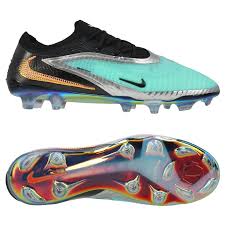
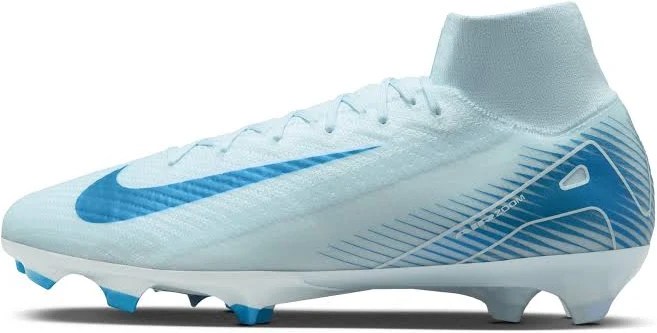
Nike Phantom 6 Low Elite Good for wide feet. The upper stretches and the shape isn’t narrow, so your toes don’t get squashed.
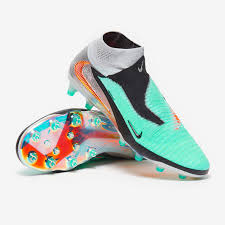
Nike Phantom 6 High Elite Same as the low version but with a higher collar for a bit of ankle support. Still comfortable for wider feet.
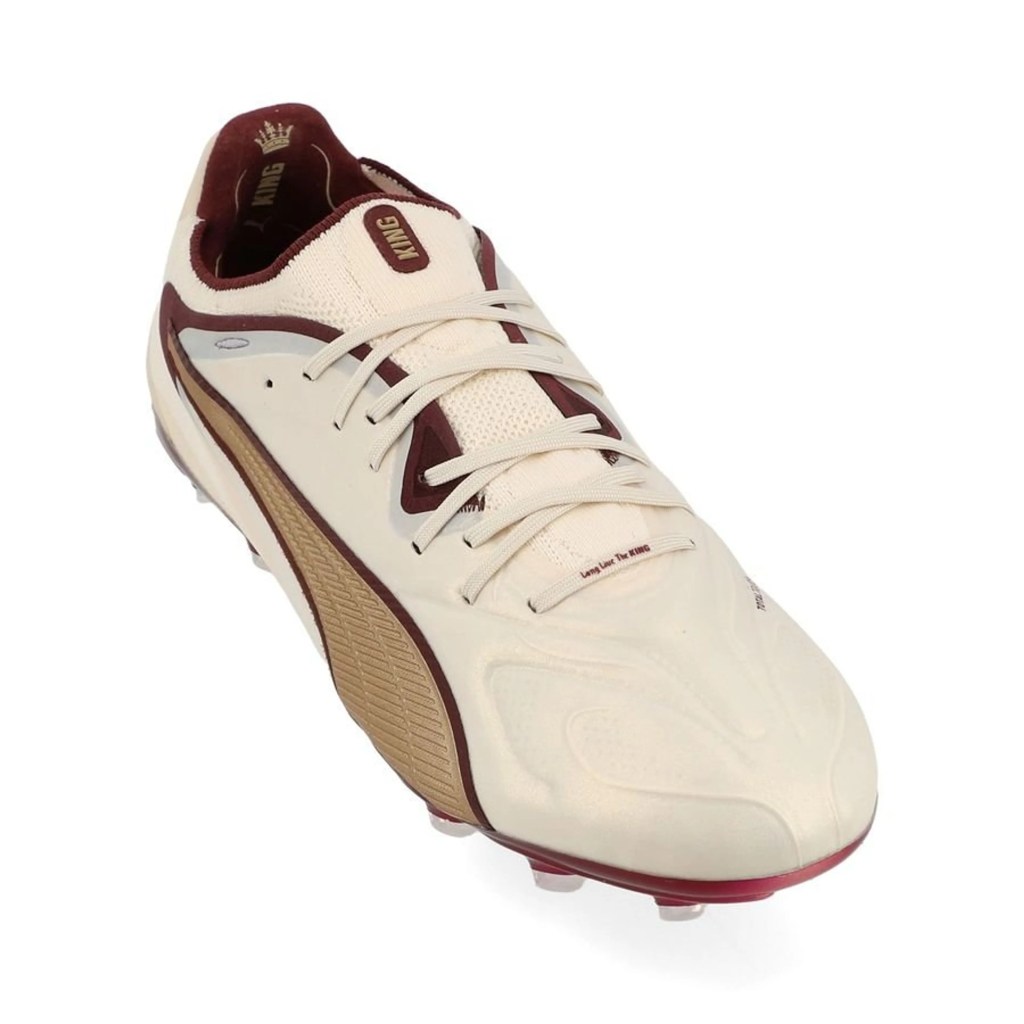
Puma King 20 Classic leather boot with a super soft upper. Soft and roomy, perfect if you need extra space.
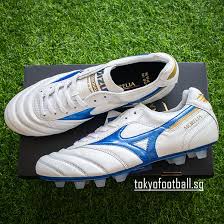
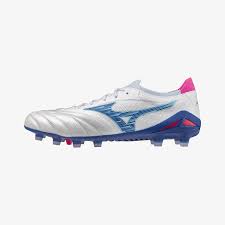
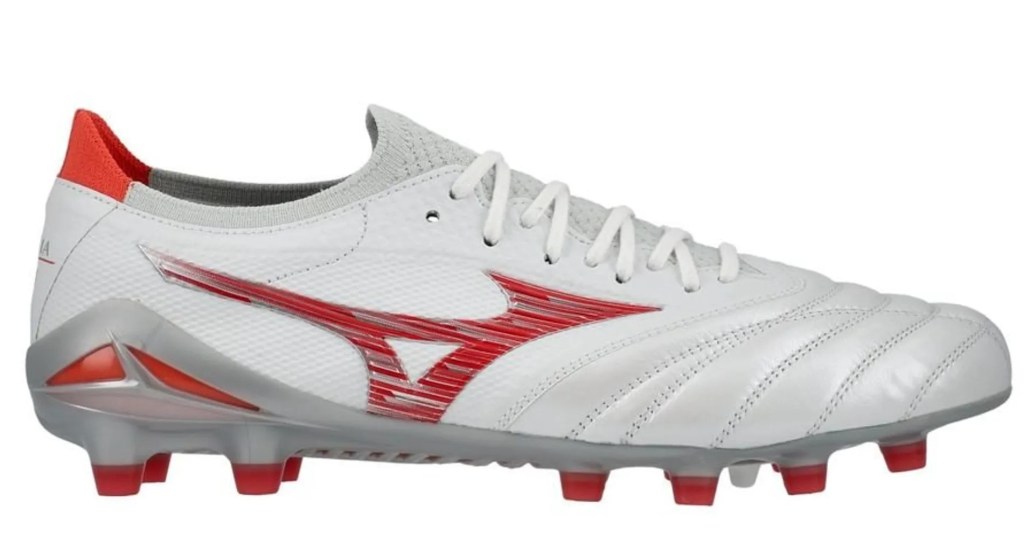
Mizuno Morelia 2 The Mizuno Morelia 2 has a premium K-Leather upper. Super comfortable for wide feet and has a great touch on the ball.
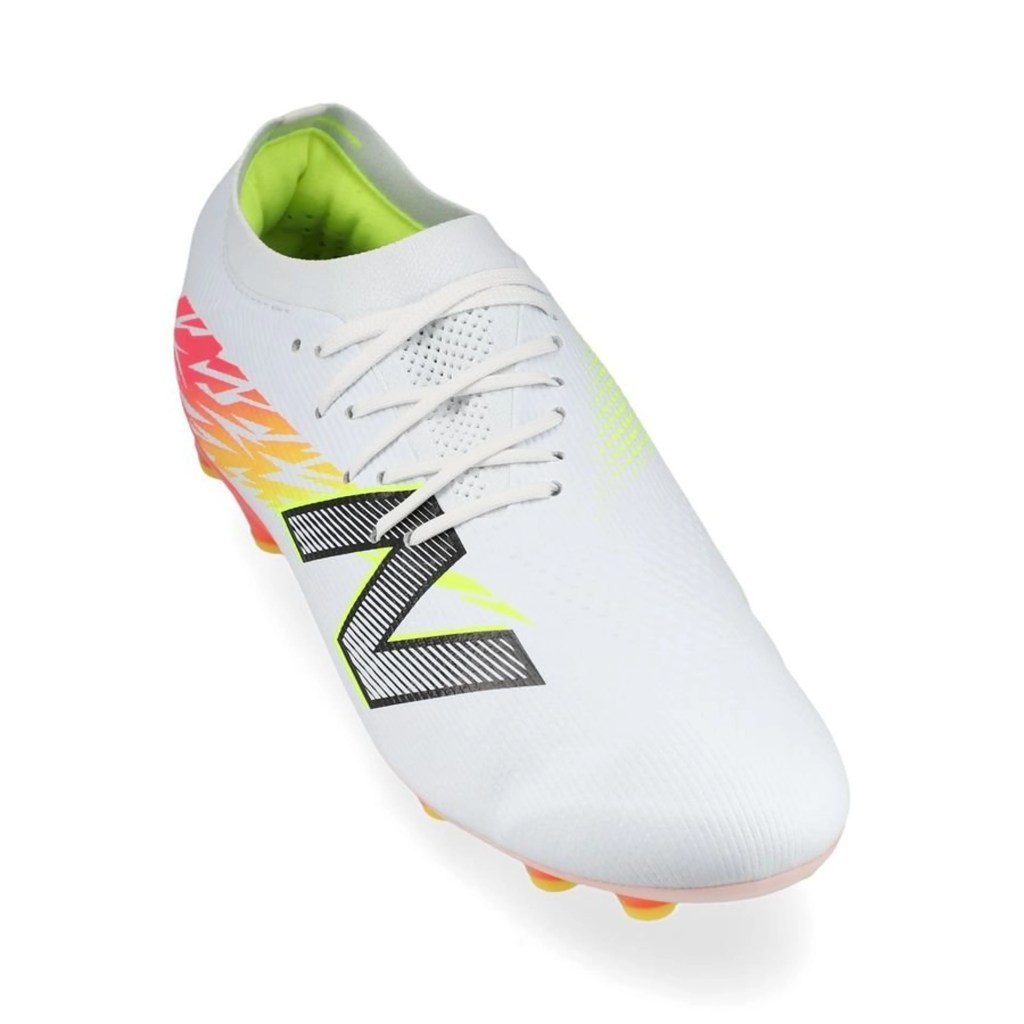
New Balance Furon (Wide Version) These boots are great for players with wide feet as they have a spacious fit. Great if you like a speed boot feel without having your feet too tight.
If you’ve got narrow feet, you already know the struggle. Boots feel loose, your foot slides, and nothing feels locked in. These are the ones that actually work.
Nike Mercurial Vapor 16
Probably the safest choice. Super slim, tight fit, and feels fast the moment you put it on. Little to none extra space on the sides, overall good lockdown, great if you like speed and quick moves.
Nike Mercurial Superfly 10
Same idea as the Vapor but with the sock collar. Still very narrow. Some people like the extra ankle lockdown, some don’t. Fit-wise though, it’s really good for slim feet.
Mizuno Morelia Neo 4 Beta (Elite / MIJ)
If you want comfort without the boot feeling wide, this is it. Even though it’s leather, it doesn’t stretch too much. The MIJ version feels amazing on foot. Expensive, but the quality is on another level.
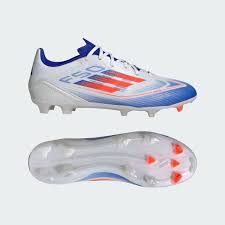
adidas F50
Lighter and slimmer than most adidas boots. Not as tight as Mercurials, but still works for narrow feet when you lace them properly.
adidas F50 II
Feels a bit more locked in than the normal F50. Still light, still fast, and better for narrow feet than boots like Copa.
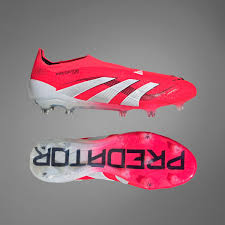
adidas Predator 25
A solid choice if you want a modern touch. Narrow fit that locks in your foot well. Gives good control for shooting and passing without feeling too loose.
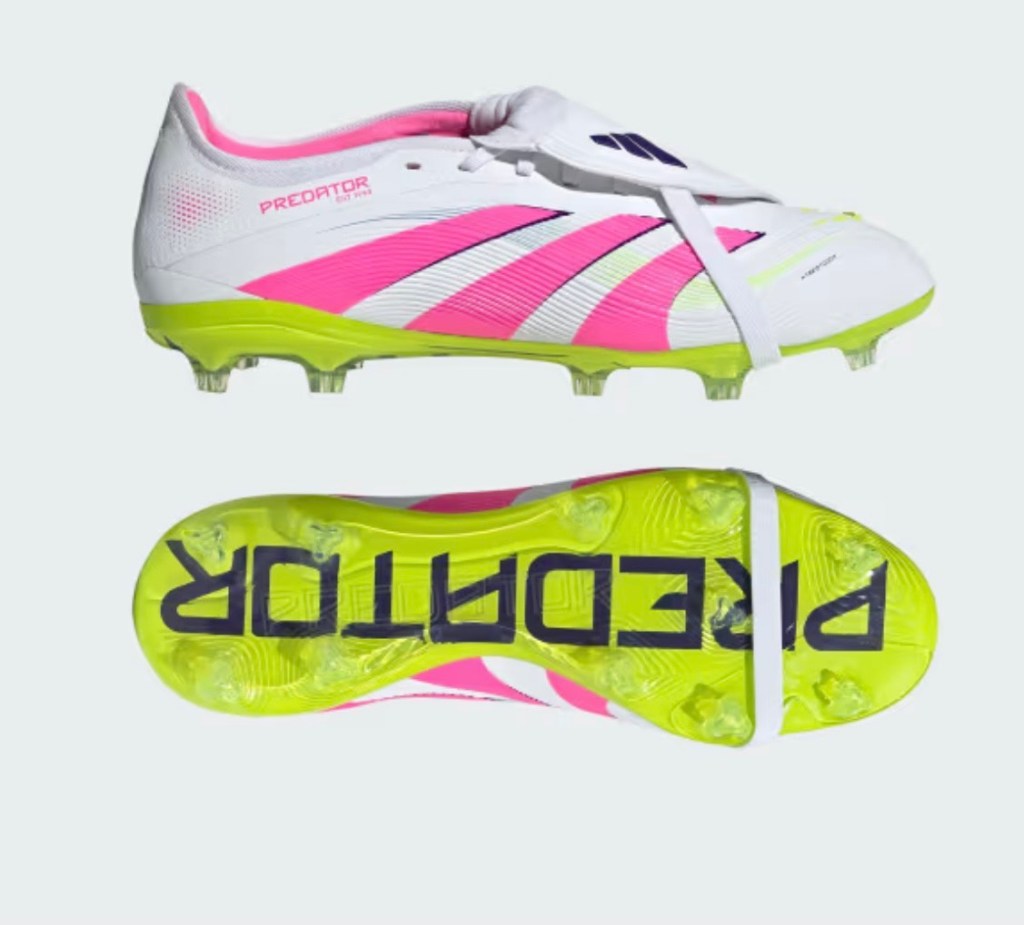
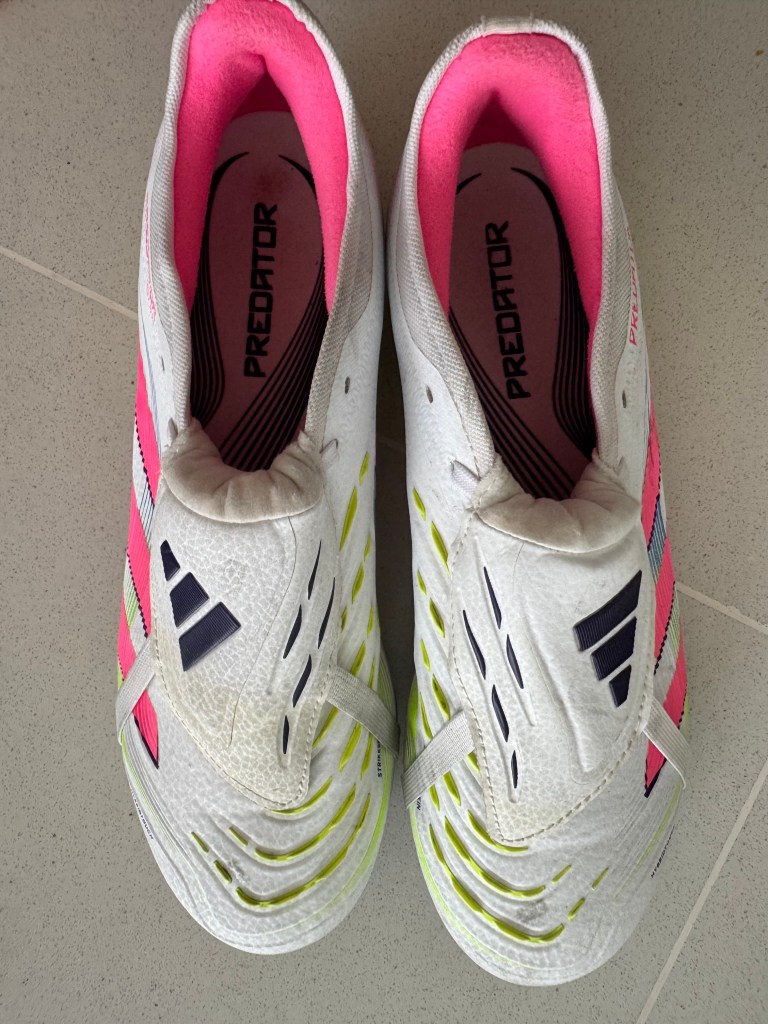
In today’s fast, technical game, players need a boot that enhances grip and accuracy without sacrificing movement. The Adidas Predator Pro offers powerful control, strong lockdown, and stable performance — making it ideal for most positions Best for: Players who want extra grip, accuracy, and a controlled, locked-in feel Key Features: Strikeskin rubber elements, HybridTouch upper, Primeknit tongue, Controlframe outsole
Control & Grip – 9/10
The Strikeskin rubber fins give the Predator Pro its signature grip.
Excellent for bending shots, long passes, and close control
Helps in wet conditions
Can feel too grippy for players who prefer a natural touch
Fit & Comfort – 8.5/10
The HybridTouch upper wraps around the foot with a padded, secure sensation.
Primeknit tongue gives comfort and easy entry
Heel cushioning reduces blisters
Slightly narrow fit — wide feet may need to size up
Lockdown – 7/10
Snug midfoot wrap prevents sliding inside the boot
Laces allow precise tightening and secure fit
Heel lockdown is poor. One way to improve heel lockdown is to use the extra lace hole to tie a runners knot.
Slight heel movement for players with very narrow heels
Outsole (Controlframe) – 7.5/10
The Controlframe outsole works very well on firm ground (FG)… but it is NOT good for AG.
Designed for natural grass — stable and responsive
Good traction for acceleration and lateral cuts
Not suited for AG pitches:
Studs are too long for artificial turf
Increased risk of stud pressure
Higher chance of slipping or uncomfortable stud bite
Faster outsole wear if used often on AG
If you mainly play on AG, this is not the ideal choice. Look for AG-specific boots instead. There is a MG Predator Pro option.
Performance – 9/10
Once broken in, the Predator Pro feels confident and sharp.
Great for passing, shooting, and dribbling
Very stable base during tough challenges
heavier than ultra-light speed boots
Made for players who value precision, control, and stability.
User Feedback
Loved for its grip, control, and clean striking feel
Mixed opinions on narrowness
Some players say the rubber elements wear down over time
Many agree it performs poorly on AG due to stud length
Verdict – 8.7/10
The Adidas Predator Pro delivers impressive control, grip, and lockdown. It’s a great choice for players who manipulate the ball and rely on sharp passing and confident shooting — but it is not made for AG surfaces.
Pros: Great grip, stable feel, comfortable entry Cons: Narrow fit, rubber wear, heavier than speed boots, bad on AG
Best for: Midfielders, Playmakers, set-piece players, Defenders. Less suited for: Wide feet, AG players, lightweight speed-focused athletes
✔️ Review based on personal testing and match usage.
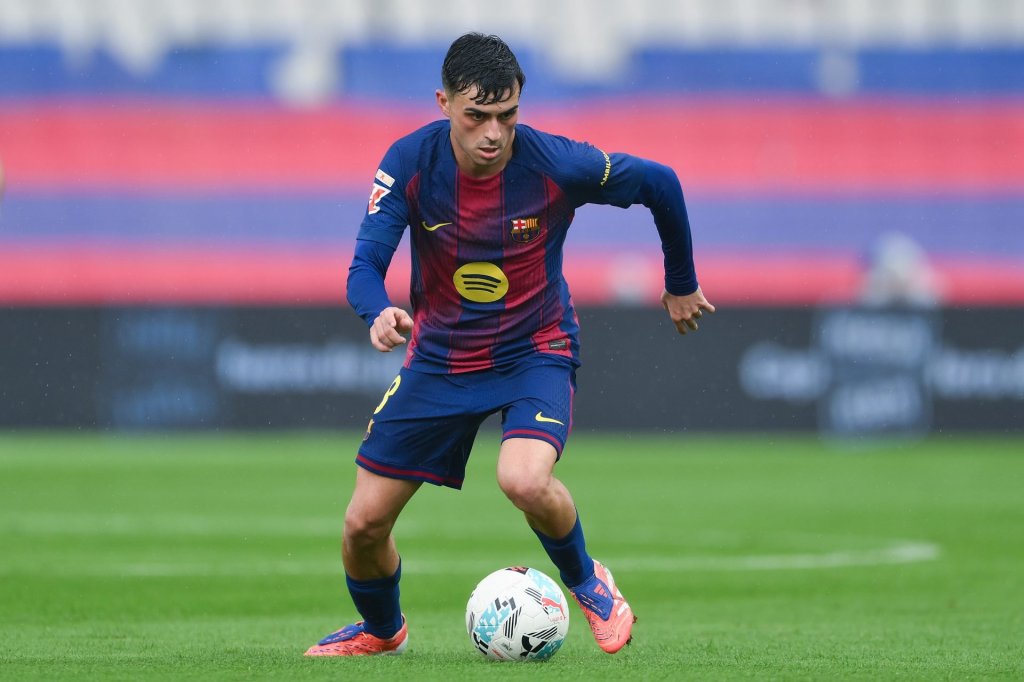
Midfielders play a key role in how a team functions. They link defense and attack, control tempo, and help maintain structure in all phases of the game.
To be effective, midfielders need strong technical ability, awareness, positioning, stamina, and decision-making. Comfort on the ball under pressure and consistency in both attack and defense are essential.
Core principles
Awareness before receiving the ball.
Simple decisions under pressure.
Positioning and Awareness
Scan regularly before the ball arrives.
Maintain spacing to create clear passing angles.
Stay connected to defenders and attackers.
Adjust positioning based on the phase of play.
Avoid occupying the same space unless rotating deliberately.
Movement
Move to receive on the half-turn when possible.
Use lateral and diagonal movement to open passing lanes.
Use checking movements to lose markers.
Make third-man runs to break lines.
Support play both behind and ahead of the ball.
Arrive late into the box when appropriate.
Turning and Third-Man (3rd Option) Play
Turning
Scan before receiving.
Receive side-on to allow forward play.
Use body position to protect the ball.
Take the first touch away from pressure.
If turning is not possible, retain possession and play simply.
Third-Man (3rd Option)
Position to support play when two teammates are already connected.
Move into open space rather than toward pressure.
Time movement to arrive as the ball is played.
Use third-man movement to break defensive lines.
Support play in front of or behind the ball depending on the situation.
Turning: Training Focus
Receive and turn from a teammate or wall.
Directional rondos that encourage half-turn receiving.
Receive with pressure and decide to turn or set the ball.
Wall passes followed by a turn into space.
Small-sided games that reward turning and forward play.
Passing and Ball Retention
Use simple passes under pressure.
Play one- and two-touch to control tempo.
Switch play when one side is overloaded.
Play forward when possible without forcing risk.
Use body shape to disguise passes.
Protect the ball through positioning.
Defensive Responsibilities
Apply immediate pressure after losing possession.
Block passing lanes instead of chasing.
Track runners from deep areas.
Maintain defensive shape and discipline.
Communicate with teammates.
Time tackles carefully.
Attacking Contribution
Support attacks around the box.
Play through balls when lines are broken.
Take shots from distance when space allows.
Combine with wide players to overload areas.
Control tempo when needed.
First Touch and Receiving
Take the first touch away from pressure.
Use different surfaces of the foot as needed.
Adjust body shape to face forward.
Control aerial balls efficiently.
Weak Foot Development
Apply the same techniques to both feet.
Include weak-foot-only passing and receiving.
Weak foot training
Wall passing using the weak foot.
Receive on the half-turn and pass with the weak foot.
Long and driven passes with the weak foot.
Ball mastery and simple dribbling using the weak foot.
Strikers are one of the most important positions in football. The main responsibility of a striker is to score goals, but effective strikers also create space, stretch defenses, and help the team attack more efficiently.
To perform well as a striker, strong shooting and finishing are required, along with speed, power, intelligent positioning, good movement, and a clean first touch. Understanding the offside line and maintaining composure in front of goal are also essential.
Core principles
Take shots when space is available; avoid delaying unnecessarily.
Maintain a strong and focused mindset throughout the game.
Movement
When pressing, apply pressure at an angle to force the defender toward one side with limited options rather than pressing straight.
Stretch the opposition defense to create space for teammates to enter dangerous areas.
Curve runs are an important striker movement. They help avoid offside and disrupt defensive positioning.
Curve runs can draw center backs out of position, creating space for teammates. If defenders do not track the run, the striker can receive the ball.
Curve runs allow momentum to be built, enabling the striker to receive the ball at speed.
Runs should be made before the pass is played.
Checking runs occur when a defender is tight behind the striker while facing their own goal. A short movement toward the ball draws the defender forward, followed by a sharp turn and run in behind. This can break the offside line and catch defenders off balance. If the defender does not follow, the ball can be received and played back before attacking again.
A striker’s movement should push the defensive line as close to its own goal as possible. Dropping deeper or moving backward can make defenders uncomfortable and stretch the defensive shape. Whether defenders follow or not, this movement helps create space for teammates, particularly wide players.
Shooting and Finishing
Avoid stutter steps when shooting in open play.
Avoid shooting while off balance or without proper control.
Common finishing mistakes
Looking up at the goal during the strike
Overhitting the ball
Constantly aiming for the top corners instead of the lower areas of the goal
Using an inappropriate technique for the situation
Finishing guidelines
Observe the goalkeeper’s position and movement. If the near post is covered, finish to the far post. If the goalkeeper’s momentum shifts one way, finish across their body.
Keep the body over the ball when shooting.
Point the standing foot toward the intended target.
Lock the ankle at contact.
Use a proper follow-through. In many cases, landing on the kicking foot is correct.
Shooting Techniques
Laces across the body: Take a touch slightly outside the hip line and away from the feet. Strike the side of the ball with the hard bone near the laces and land on the kicking foot.
Curling shot: Approach from a wider angle, take a wide touch, and plant the standing foot toward the side of the goal. Strike the outer part of the ball slightly below the middle. Aim wider than the target to allow for natural curl. Keep the ankle locked, toes up, body over the ball, and use the opposite arm for balance. Landing on the kicking foot is not required.
Straight laces shot: Plant the standing foot a few inches from the ball, pointing toward the target. Strike through the center of the ball with a locked ankle and straight follow-through. Land on the shooting foot.
Toe poke: A quick toe strike, mainly used inside the box to surprise the goalkeeper.
Inside-foot finish: Similar to a firm pass and best used inside the box. Keep the body over the ball.
Weak Foot Development
Apply the same techniques used with the strong foot to the weak foot.
Include dedicated weak-foot-only training.
Weak foot training session
Arrow-shaped dribbling: Set cones in a straight line with a wide triangle at the end. Complete 4 × 2-minute rounds with rest between each. Weak foot only.
90-degree passing: Pass to a wall or partner, receive, then pass at a right angle to another target. Complete 4 × 2-minute rounds. Weak foot only.
Juggling and control: Juggle the ball, then lift it and control it using the weak foot. Continue for 5 minutes.
15-minute shooting focus: Choose one focus only (shooting, long balls, or grass-cutters). Weak foot only.
Creative dribbling: Five minutes of free dribbling, focusing on beating defenders and accelerating away afterward.
The Mizuno Morelia Neo 4 Beta Made in Japan is a true masterpiece. Handcrafted in Japan from the highest-quality materials, this boot represents the perfect blend of tradition and modern performance. For many players (myself included), it isn’t just one of the best leather boots available today — it’s one of the best football boots in the world, period.
Price: $320 USD
Famous players wearing the Mizuno Morelia Neo 4 Beta Made in Japan: Sergio Ramos Shinji Osaki Rivaldo Reo Hatate
Upper – 9/10
The upper combines premium kangaroo leather with lightweight synthetic reinforcements for modern support. Mizuno’s Japanese craftsmanship shines through — the leather is incredibly soft, molds to your foot instantly, and delivers a natural, barefoot-like touch.
Hand-stitched in Japan for durability and precision
Premium leather offers a natural, adaptive fit
Synthetic midfoot keeps weight down and structure firm
Virtually no break-in time — comfort from day one
Fit – 9.5/10
Mizuno continues its tradition of elite comfort with a snug yet non-restrictive fit. The Neo 4 Beta MIJ adapts beautifully to your foot shape, giving that signature “second-skin” feel Mizuno is famous for.
Best suited for medium to narrow feet
Secure lockdown without excess tightness
Minimal break-in time due to soft K-leather
Feels natural and balanced through the entire boot
Touch – 9.5/10
This is where the Neo 4 Beta truly excels. The buttery-soft K-leather delivers one of the most natural and responsive touches in the game — blending old-school feel with modern quickness.
Slightly noticeable transition from synthetic midfoot to leather forefoot
Outsole – 7/10
The outsole focuses on flexibility and responsiveness while keeping things lightweight. It sits close to the ground, allowing excellent feel and stability, though the FG studs can be a touch long for shorter AG turf.
Conical studs for balanced traction and rotation
Flexible soleplate supports quick cuts and acceleration
Great for firm ground and top-quality AG surfaces
For short artificial turf, consider the AG version for safety and comfort
Verdict – 9/10
The Mizuno Morelia Neo 4 Beta Made in Japan delivers a near-perfect balance of craftsmanship and speed. While it comes at a premium price, the quality, fit, and touch justify every cent.
Final Word
If you want a genuine speed boot that doesn’t sacrifice the luxury of premium leather, this is it. Lightweight, adaptive, and built with unmatched precision, the Mizuno Morelia Neo 4 Beta MIJ is perfect for players who want traditional comfort with a modern edge.
However, the synthetic midfoot may feel slightly unusual at first, and the FG studs can be long for certain AG fields — so choose your version carefully.
– If you want premium leather comfort + speed → this is your best choice. – If you prefer ultra-light synthetics like the Nike Mercurials → you may miss that classic leather feel.
✔️ This review is based on my personal ratings after wearing and testing the Mizuno Morelia Neo 4 Beta Made in Japan.
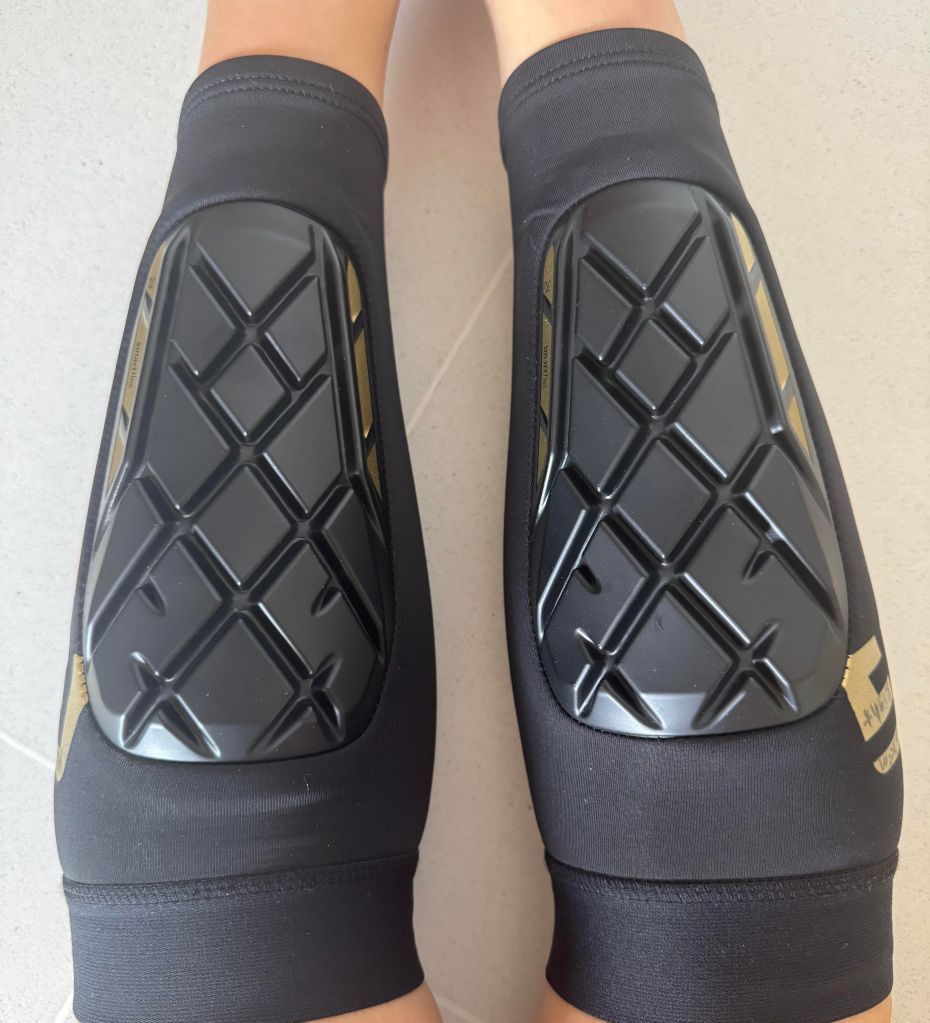
In today’s fast-paced game, players want protection that doesn’t weigh them down. The G-Form Pro-S Elite promises just that — lightweight, flexible shin guards that move with you while keeping impacts at bay.
💲 Price: ~$54.99 USD
Best for: Players seeking lightweight, flexible protection without sacrificing comfort
The Pro-S Elite uses SmartFlex technology, which stays soft and flexible until impact, then hardens instantly to absorb shocks.
Great for light to moderate collisions
Lacks the bulletproof feel of traditional hard-shell guards in very physical matches
Fit & Comfort – 9/10
The ergonomic contour and two-panel Lycra sleeve deliver a snug, stay-in-place fit.
Breathable with targeted compression
Some players report mild irritation from the sleeve top edge
I am 160 cm tall, weigh 45 kg, and wear an Adult Small size
Performance – 9/10
The feather-light design supports agility, quick turns, and all-day comfort.
Ideal for wingers, midfielders, and training sessions
Defenders or heavy-contact players may want more protection
User Feedback
– Praised for its low-profile design and freedom of movement – Criticized by some for not enough protection in rough, high-contact matches
Verdict – 8.5/10
The G-Form Pro-S Elite strikes a near-perfect balance between protection, comfort, and mobility. It’s one of the best shin guards for players who value speed and freedom of movement.
Pros: Lightweight, flexible, breathable, stays in place Cons: Less protection in very physical games, relatively high price, tricky to pair with a low-socks look
Best for: Youth players, midfielders, agile attackers Less suited for: Heavy-tackle players, physical defenders
✔️ This review is based on my personal testing and experience.
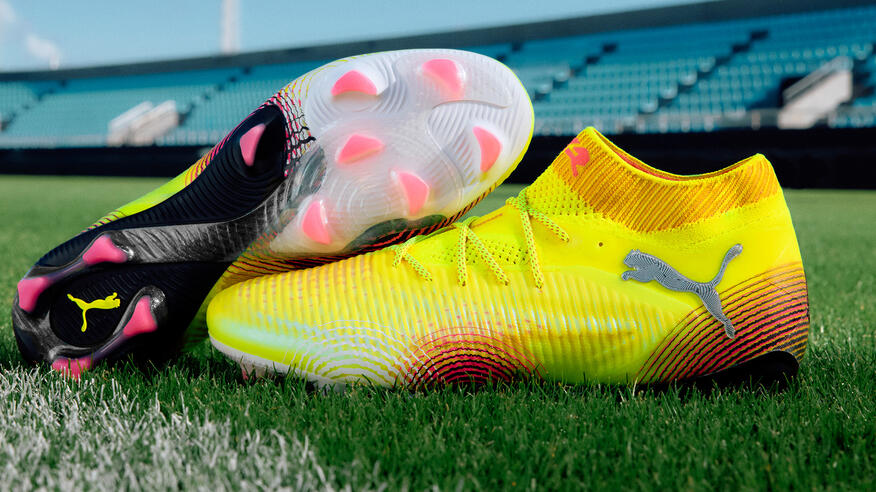
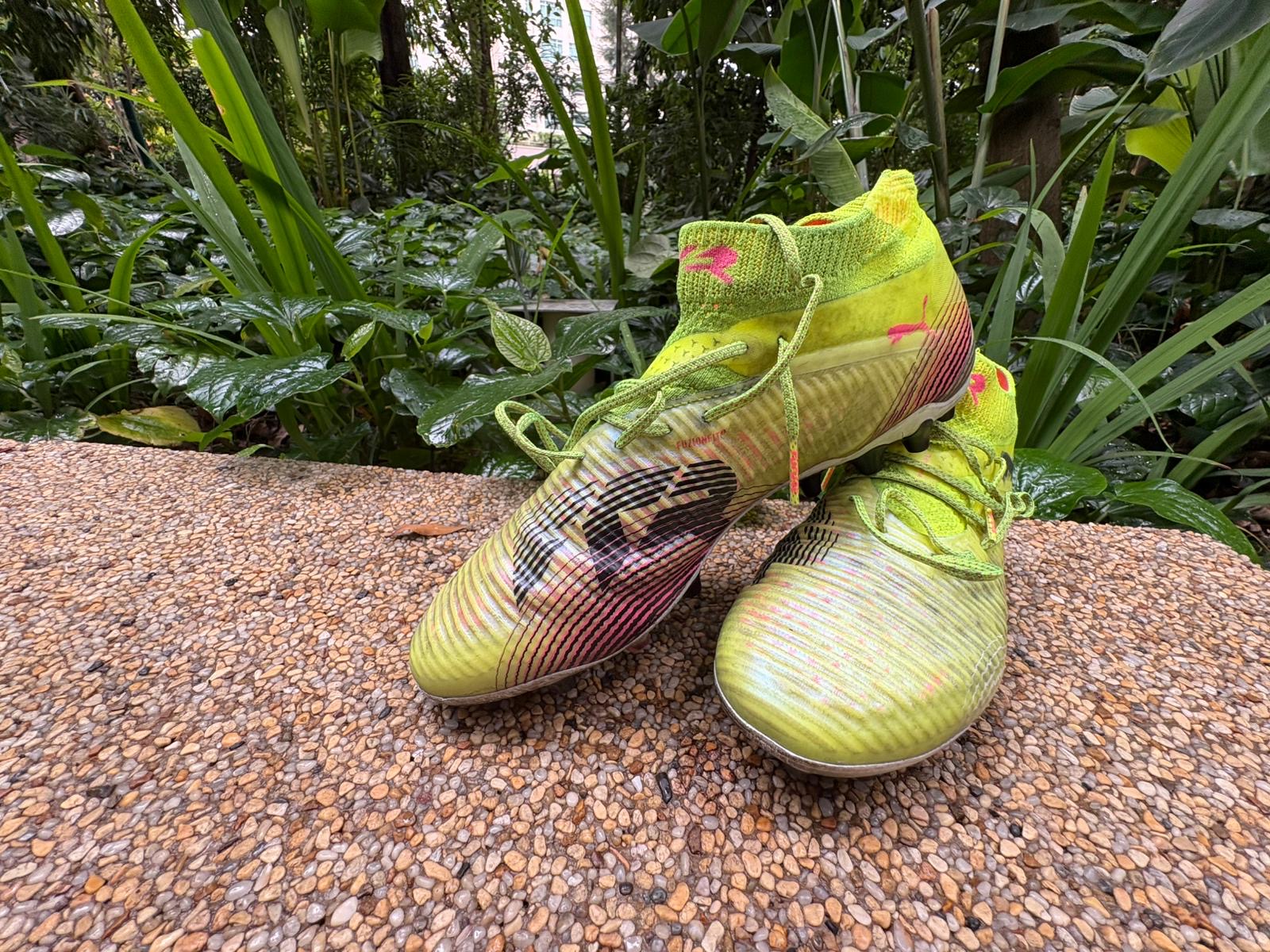
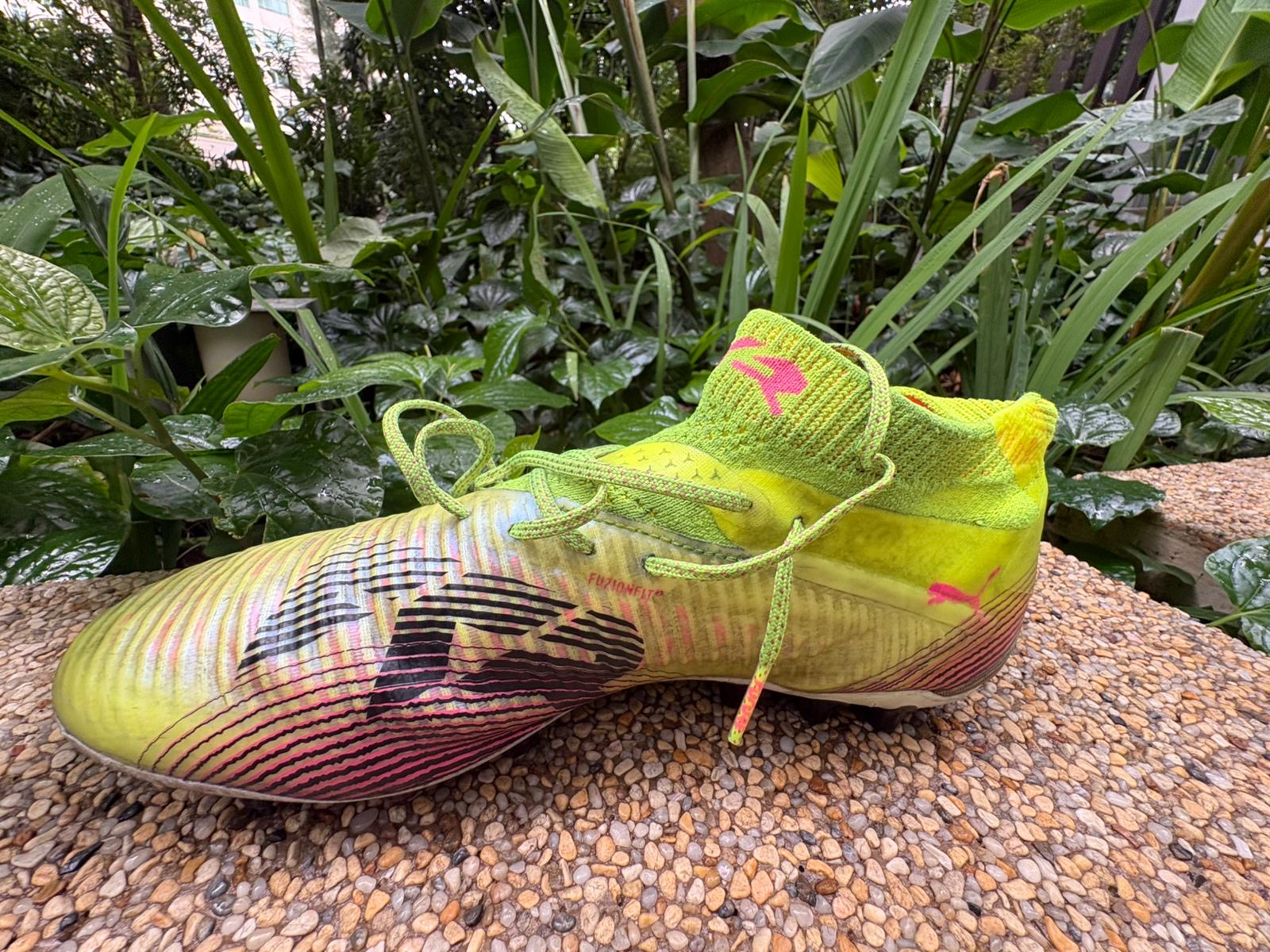
The Puma Future 8 Ultimate is one of the most creative boots on the market today. Built for agility, control, and freedom of movement, it’s designed for players who thrive in unpredictable situations. While its design is eye-catching, the real magic lies in how it performs under pressure — adapting to your foot and playing style like few other boots can.
Price: $275 USD
Famous players wearing the Puma Future 8 Ultimate: Neymar Jr. Jack Grealish James Maddison
Upper – 9/10
The Future 8’s upper is built around Puma’s FUZIONFIT360 system, which combines stretchy knit with engineered mesh and PWRTAPE reinforcements.
Adaptive fit that locks in without pressure points
Soft and flexible knit feels natural on foot
Textured zones provide solid grip and control
PWRTAPE reinforcement adds structure without stiffness
Fit – 7/10
The Puma Future 8 Ultimate’s fit is decent, but lacks heel lockdown. A good part of the Puma Future 8 Ultimate’s fit is that it feels natural and is comfortable.
Suitable for narrow, medium, and even wide feet
poor heel lockdown
one-to-one fit once broken in
There’s a short break-in period while the materials mold to your foot, but comfort is elite once settled.
Touch – 9/10
The Future 8 isn’t a classic leather boot, but it still offers a surprisingly soft and connected feel on the ball. The knit upper with GripControl Pro provides solid friction without being overly sticky. The Puma Future 8 has many small pods that help your feel on the ball.
Great ball control for dribbling and passing
Lightweight feel improves agility and responsiveness
Control is consistent in both dry and wet conditions
Some might find the knit + mesh combo lacks the ultra-sharp ping of synthetics like the Mercurial or F50, but it’s more than good enough for most players.
Outsole – 7/10
The Dynamic Motion System outsole is designed for explosive changes of direction and traction at all angles. It performs well, but isn’t quite as aggressive as some pure speed boots.
Very stable underfoot with great flexibility
Excellent rotational movement for cuts and feints
FG studs are very long and aggressive, not suitable for AG fields.
The outsole of the Puma Future 8 Ultimate is very stable. That said, the plate isn’t the most AG-friendly option out there. If you want to play on AG, you should consider the AG or MG options of the Puma Future 8 Ultimate. Both the MG and AG versions of the boot have a heat and cold resisting insole which helps a lot in hot or cold climates.
Verdict – 8/10
The Puma Future 8 Ultimate is a great boot that excels in comfort and versatility. It’s a great option available for players who like freedom of movement and value a balance between control and agility. While not the lightest or most explosive boot out there, it’s adaptability and comfort make it a standout for modern playmakers.
Final Word
If you want a boot that adapts to your foot, supports creativity, and still performs at the highest level — the Puma Future 8 Ultimate is a good choice. If you’re chasing raw speed and ultra-lightweight responsiveness → you may find it less aggressive than boots like the Mercurial Vapor or Adidas F50.
✔️ This review is based on my personal ratings after wearing and testing the Puma Future 8 Ultimate
The Nike Mercurial Vapor 16 is one of the most impressive boots I have ever worn. Since the Mercurial line first appeared in 1998, it has always been the symbol of speed. With the Vapor 16, Nike has taken the series to another level.
Price: $270 USD
* Professional players wearing the Vapor 16: Vinícius Júnior, Cristiano Ronaldo, Rodrygo, Cole Palmer, Federico Valverde, Robert Lewandowski, Alejandro Garnacho, Luka Modrić. * Best for: Players with narrow-to-medium feet who prioritize speed, want a lightweight synthetic boot, and value consistent grip and a buttery touch. * Recommended positions: Forwards, wingers, wingbacks, fullbacks.
Upper – 9.5/10
The upper of the Vapor 16 uses Nike’s revolutionary Gripknit technology, first introduced in January 2023 on the Phantom GX and Phantom Luna, and now also featured on the Phantom GX2 and Luna 2.
The upper combines coated yarns (for stickiness) with uncoated high-tenacity yarns (for structure and balance).
Compared to the Phantom GX2 and Luna 2, the Vapor 16’s Gripknit feels a bit less sticky—which I personally prefer, as it doesn’t feel overdone.
The best word to describe it? Buttery.
The heel is built with Atomknit (a steamed and stretched version of Flyknit) and the collar is Nike’s classic Flyknit.
The upper is simply amazing—consistent in wet or dry conditions. The only reason it’s not a 10/10 is the oversized Nike swoosh that covers some of the Gripknit surface.
Flyknit collar, Atomknit, Gripknit and branding all shown here.
Fit – 8.5/10
The Vapor 16’s fit is more universally appealing compared to the Vapor 15. It’s wider and roomier than past generations of Mercurials, which used to have an extremely narrow, speed-focused shape
Most players will like the updated fit.
Traditional Mercurial fans may miss the old “hardcore speed” streamlined style.
Heel lockdown feels lacking at first (especially for players with narrow heels), but improves as the boot molds to your foot.
You can fix the initial heel slippage by using the runner’s loop lacing or wearing grip socks.
Wide-heeled players won’t have much of an issue.
Sizing tip: Go half a size up, or even a full size up from your regular Nike size.
Touch – 9.9/10
The touch is nearly flawless, and it’s only frustrating that it isn’t a perfect 10. Gripknit was the missing piece on the Vapor 15, and now that it’s here, the control feels incredible.
Slightly grippy, but never sticky.
Consistent and precise, even in rain.
The only thing stopping this from being 10/10 is that there just isn’t enough Gripknit—too much branding covers the upper.
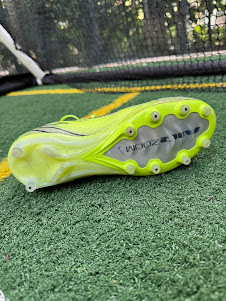
Outsole (AG Version) – 8.5/10
The AG outsole shines on high-quality 4G artificial pitches, but struggles on lower-quality 2G and 3G turf.
Conical studs provide smooth rotation.
Air Zoom bag technology now features added fins for responsiveness.
On 4G, it’s fantastic. On 2G/3G, the studs are simply too long.
Outsole (AG version)
Verdict – 9.7/10
The Nike Mercurial Vapor 16 is a massive improvement over the Vapor 15, mainly because of the addition of Gripknit. This technology completes the package: speed, buttery touch, and a more modern fit.
Even if you have slightly wide or flat feet, I’d highly recommend trying them out.
Final Word
Wide-footed players → look at the Phantom line.
But if speed and touch are your game → the Vapor 16 is your weapon.
I play in a youth club league and have been playing football for 4 years. This review is based on my personal experience and ratings after actually wearing and testing the Vapor 16.







 FBootTalk